
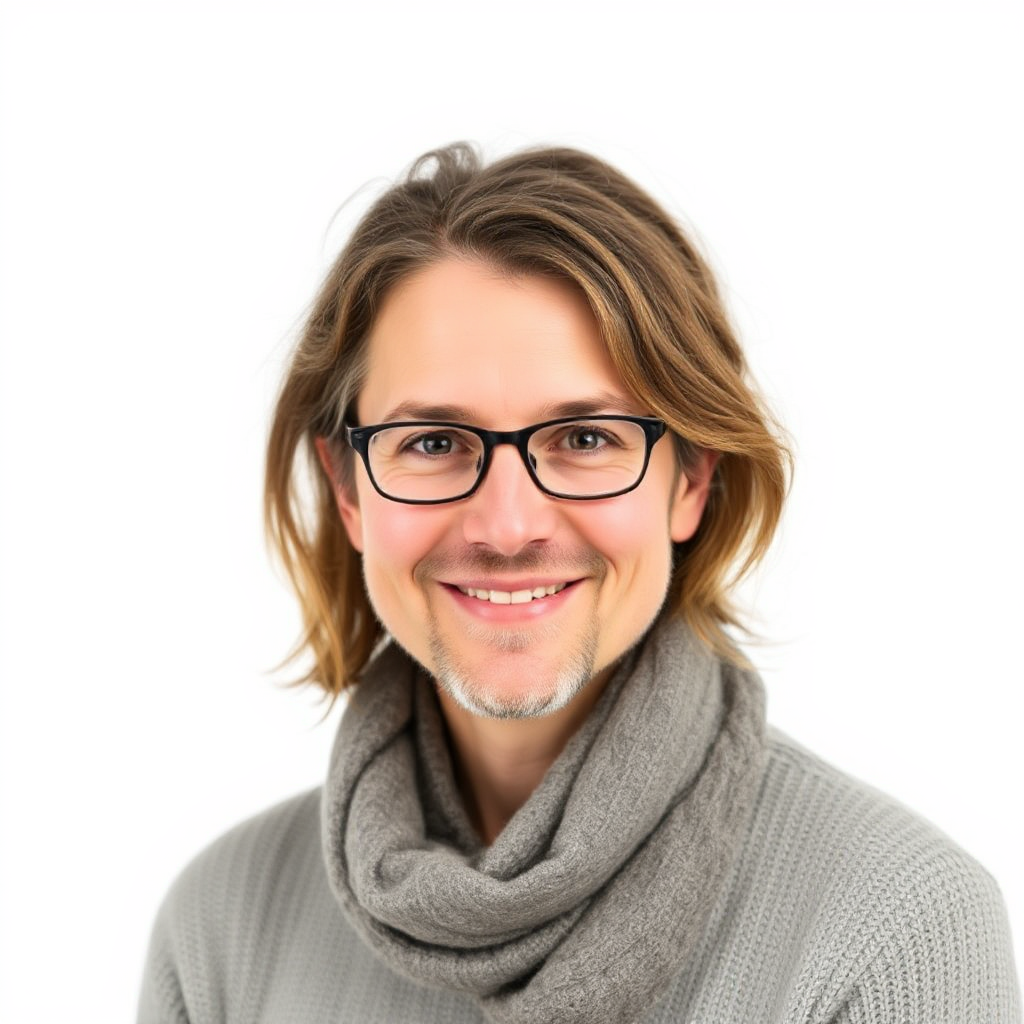
"At one point, I attended a children's day fair and ended up sitting next to another politician. He was holding a stack of 100 baht notes to give away to the children, while I had arrived empty-handed. How was I supposed to contend with that?"
The politician Chutiphong was a member of the "orange wave" of youthful hopefuls who stunned Thailand in the last national poll by winning more seats for the forward-thinking movement than any other party.
In the recent poll, however, he forfeited his seat in his constituency of Rayong to a rival from an traditional power clan which has customarily controlled leadership roles there.
"Back then we were similar to a gale that engulfed and the other parties weren't ready to counter. They thought I was merely a unknown candidate. The tide of support for Move Forward in the final stretch of that election truly persuaded voters to opt for a fresh alternative."
Now called the People's Party, their aspirations that they would improve on their previous results were crushed on the shoals of traditional favor-based structures which have controlled local politics in Thailand during its recent past.
The results are still not official, and a several election irregularities are being investigated, but that cannot reverse the overall outcome: a steep drop of in excess of 20% in the count of seats secured by the People's Party, and a remarkable surge by the conservative Bhumjaithai party, increasing its number of seats from 71 in 2023 to an approximate 193 in the five-hundred-member parliament in the latest election.
'They never speak with me after that'
After winning his seat in 2023, Chutiphong immersed himself in his role as MP, visiting his district attempting to tackle the problems encountered by his constituents. But he quickly encountered opposition from those loyal to the entrenched political operators. Furthermore, he found he was expected to donate generously, from funds he just did not have.
"I was invited to a women empowerment event - a regular function for the locals to participate in and enjoy themselves. But they informed me if I wanted to come, I needed to give 25,000 baht. I responded I lacked that money. They were very unhappy about that and remarked I was stingy. I asked them if there was an alternative I could contribute. But they ceased communicating with me from then on."
What he had encountered was a deep-rooted structure of clientelism run by a single family.
Rayong is primarily recognized as part of the Eastern Economic Corridor, Thailand's largest economic area, housing many of the industrial facilities which drive its export-dependent economy. This has drawn outside workers from other regions, and also created an metropolitan populace which is more receptive to the change-oriented platforms of the progressive movement.
In 2023, Move Forward swept all five electoral districts there.
But much of Rayong is remains rural, home to farmers and fruit growers. This is especially the case in District 4, where Chutipong won his seat. He is a area resident, but lived a number of years living in California. The province has for a long time been ruled by a single powerful clan, the Pitutecha family. This is what is termed in Thailand as "Baan Yai" – large household – politics, and throughout the country it is the way regional influence has traditionally been maintained.
Pitutechas manage a large part of the municipal administration.
Piya 'Chang' Pitutecha, the present patriarch, is the chosen leader of the Provincial Administration Organisation (PAO), a extremely powerful post as the PAO manages most government spending in Rayong.
Prior to 2023, Pitutechas had consistently been counted among the MPs elected to parliament, with one being the assistant health secretary in Bangkok.
Similar to other "Baan Yai" clans they have no strong affiliation – through the years they have represented five different political parties. They are also notable in the local business community, and, unlike Chutipong, have substantial financial resources to dispense. It was practically impossible for the first-time MP to compete.
The "Big House" depend on widespread networks of canvassers - residents who know their villages, and who mobilise voters to vote for their candidate. And although it is formally forbidden, they also provide money before, during, and after elections. They have traditionally been crucial to the victory of regional candidates, and as a novel, mostly metropolitan party, the People's Party had did not possess them.
"Therefore I changed my approach," says Chutipong. "I stated that I would attempt to resolve all grievances right away. If your water is cut off, your electricity is off, your road has damage, I would respond."
"But the residents who contacted me then encountered coercion from the network. Some got criticised in the village's chat group or over the PA system in the village. They were accused of introducing me - an outsider they said - into the area."
"When I attempted to visit factories after hearing some complaints about environmental damage, I encountered a backlash from the community because they had been getting envelopes from these factories."
During the 2026 campaign, the Pitutechas had adjusted following their loss in the previous election.
In Districts 3 and 4, they ran younger members of the family, better educated and with less of patriarchal aura than the established figures. In District 3 they stood under the Democrat party, conventionally their preferred political partner, but in District 4, 34-year-old Chatchai Pitutecha campaigned under Prime Minister Anutin Charvirakul's Bhumjaithai party, known for its substantial resources and its skill in recruiting "Big House" over to his side.
Chutipong was outgunned.
The Pitutechas regained both seats back from the People's Party, although the reformists retained three seats in Rayong.
"They could have welcomed me if I had given them money, but I could not do that permanently due to my financial constraints. I had to determine whether I would be the MP they wanted, or if I would hold onto my ideals and test if the constituents would


